
It’s easy to miss the early senior dog cognitive decline signs. They often look like small quirks at first, not something serious.
Many owners only notice once the signs become impossible to ignore. By then, cognitive decline has usually been building for a while.
This guide walks through the early signs, what they mean, and how to help. Catching it sooner makes a real difference in how you can support your dog.
What Is Cognitive Decline in Senior Dogs?
Cognitive decline, often called Canine Cognitive Dysfunction (CCD), affects memory, awareness, and behavior in aging dogs. It’s similar to dementia in humans and becomes more common with age.
This condition develops gradually, which is why canine cognitive dysfunction symptoms are so easy to miss early on. Small changes in behavior are often the first clue.
Cognitive decline can also overlap with physical symptoms, like disrupted sleep or restlessness. If you’ve already read our guide on senior dog panting at night, some of those same nighttime patterns can also point to cognitive changes.
Early Signs of Doggy Dementia
Senior Dog Acting Confused
Confusion is often the clearest early sign. A senior dog acting confused may seem lost in familiar spaces or unsure of simple routines.
This can happen suddenly or build up slowly over weeks. Either way, it’s worth tracking closely.
Old Dog Staring at Walls
This specific behavior catches many owners off guard. An old dog staring at walls for no clear reason is a classic early sign of cognitive decline.
It may look like your dog is “checked out” or unresponsive. This isn’t normal aging — it’s worth mentioning at your next vet visit.
Senior Dog Getting Stuck in Corners
Some dogs with cognitive decline get physically stuck — unable to figure out how to back out of a corner or around furniture. Senior dog getting stuck in corners is one of the more noticeable signs once it starts happening regularly.
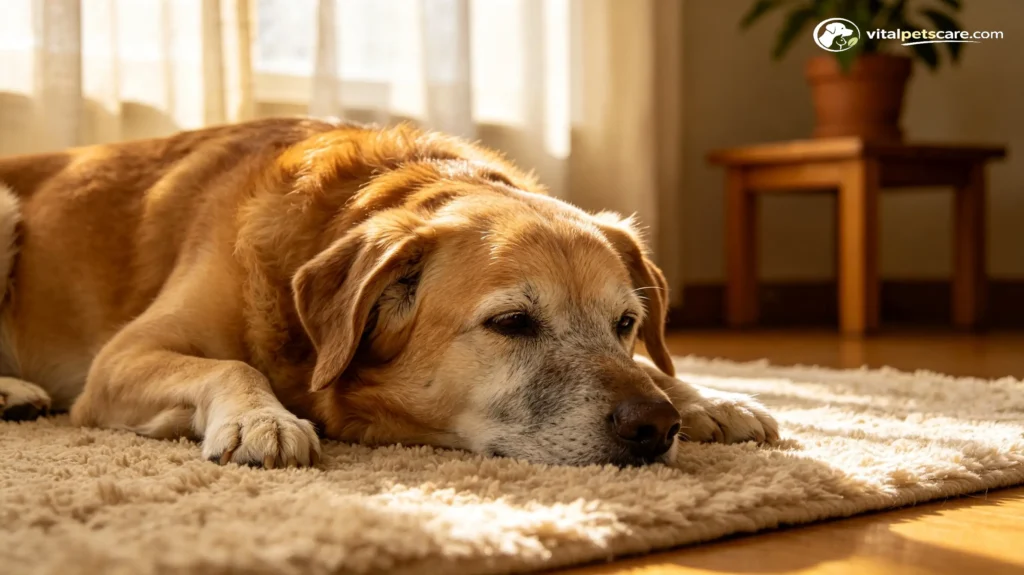
This happens because spatial awareness becomes harder to process. It’s more common than most owners expect.
Senior Dog Forgetting Commands
A dog who once knew “sit” or “stay” perfectly may suddenly seem unsure. Senior dog forgetting commands they’ve known for years is a meaningful shift, not just stubbornness.
This is different from simply ignoring a command. It usually comes with other signs of confusion too.
Senior Dog Not Recognizing Family
This is one of the hardest signs for owners to witness. A senior dog not recognizing family may hesitate, bark, or seem unsure around people they’ve known for years.
This is a later-stage sign and rarely appears on its own. It’s usually paired with several other symptoms already covered here.
Senior Dog Pacing at Night — A Common Sign
Pacing at night is one of the most common signs owners notice. Senior dog pacing at night often happens because confusion feels worse once the house goes quiet and dark.
This can look like walking in circles or wandering without settling. If you’ve read our article on senior dog panting at night, pacing often appears alongside panting or restlessness.
This pattern can be exhausting for both you and your dog. The good news is there are ways to ease it, covered later in this guide.
What Is Sundowning in Dogs?
Sundowning is a term borrowed from human dementia care, and it applies to dogs too. It describes symptoms that get noticeably worse in the late afternoon or evening.
Senior dog sundowning symptoms often include increased confusion, restlessness, or anxiety as daylight fades. This pattern can make evenings especially difficult for both dog and owner.
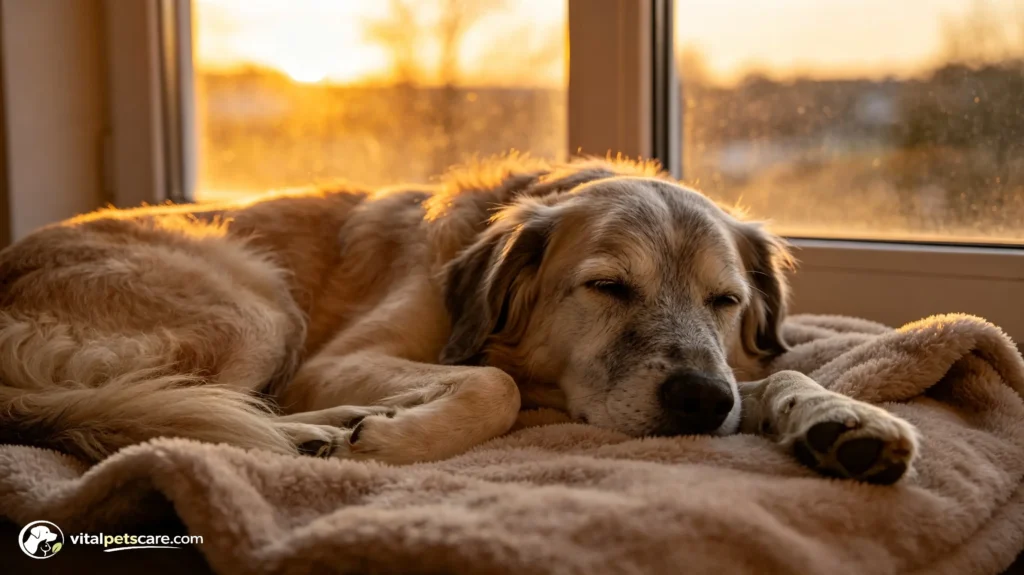
Understanding sundowning helps you plan ahead. Simple changes to your evening routine can ease this pattern significantly, which we’ll cover in the support section.
How Cognitive Decline Progresses Over Time
Cognitive decline usually develops in stages, not all at once. Early on, signs may be subtle enough to dismiss as “just getting older.”
As it progresses, symptoms become more frequent and noticeable. This is when confusion, pacing, or forgetting commands start happening regularly instead of occasionally.
In later stages, dogs may show most or all of the signs covered in this guide together. Every dog progresses differently, so timelines can vary quite a bit.
Knowing this progression helps you plan ahead rather than react to each new symptom. Early support often makes the later stages more manageable.
How to Support a Senior Dog with Cognitive Decline
1. Keep a Predictable Routine
Consistency helps reduce confusion. Try to keep feeding, walks, and bedtime at the same times each day.
2. Add Gentle Mental Stimulation
Simple puzzle toys or short training sessions can help keep the mind engaged. Keep sessions short and low-pressure to avoid frustration.
3. Make the Home Easier to Navigate
Keep furniture in the same place and add night-lights for evening confusion. This can reduce pacing and help with senior dog sundowning symptoms.
4. Support Evening Calm
Since symptoms often worsen at night, a calm, quiet evening routine helps. Dim lighting and reduced noise can ease restlessness before bed.
5. Ask Your Vet About Supplements
Some vets recommend supplements that support brain health in senior dogs. These may help slow progression when started early, though results vary.
(For joint-related symptoms that sometimes overlap with mobility and confusion, see our guide on senior dog stiff in the morning remedies.)
When to See a Vet
If confusion or pacing happens daily, it’s time for a proper evaluation. Early diagnosis often means more treatment options.
Watch closely if cognitive signs come with appetite changes, incontinence, or extreme restlessness. These combinations deserve a full check-up, not just monitoring.
Sudden confusion is different from gradual cognitive decline. Sudden changes can also point to other issues, like a UTI or vision loss, so it’s worth ruling those out too.
When in doubt, an early vet visit brings clarity. It also opens the door to treatments that can slow progression significantly.
Frequently Asked Questions
What are the first senior dog cognitive decline signs?
Early signs often include mild confusion, staring at walls, or hesitating in familiar spaces. These can be easy to miss at first.
What is canine cognitive dysfunction?
It’s a condition similar to dementia in humans, affecting memory, awareness, and behavior in aging dogs. It develops gradually over time.
Why does my senior dog pace at night?
Nighttime pacing is often linked to confusion that worsens once it’s dark and quiet. This is a common sign of cognitive decline.
What is sundowning in dogs?
Sundowning refers to symptoms that get worse in the late afternoon or evening. It’s the same term used in human dementia care.
Can cognitive decline in dogs be slowed down?
Yes, in many cases. Routine, mental stimulation, and certain supplements can help slow progression, especially when started early.
Is staring at walls a sign of dementia in dogs?
Yes, this is one of the more recognizable early signs. It often points to confusion or disorientation.
Why does my dog forget commands they used to know?
This can happen when cognitive decline affects memory and processing. It’s different from simply ignoring a command.
Can a senior dog stop recognizing their owner?
Yes, though this usually happens in later stages. It’s rarely the first sign and typically comes with other symptoms.
Is getting stuck in corners a sign of cognitive decline?
Yes, this happens when spatial awareness becomes harder to process. It’s a fairly common and noticeable sign.
How is cognitive decline diagnosed in dogs?
Vets typically diagnose it through behavior history and ruling out other causes, like vision loss or infections. There’s no single definitive test.
Can diet help with cognitive decline in senior dogs?
Yes, some diets and supplements are formulated to support brain health. Ask your vet about options suited to your dog’s needs.
Does cognitive decline get worse over time?
Yes, it’s typically progressive. However, the speed and severity can vary a lot between individual dogs.

