

Noticing your senior dog sleeping too much can feel worrying, especially if it happens suddenly. Most of the time, it’s simply part of getting older.
Older dogs naturally need more rest than they used to. But sometimes, extra sleep can point to something worth checking.
This guide walks through what’s normal, what’s not, and how to tell the difference. By the end, you’ll know exactly what to watch for.
Is It Normal for Senior Dogs to Sleep More?
Yes, in most cases, it’s completely normal. A senior dog sleeping too much is often just a natural part of slowing metabolism and lower energy needs.
Older dogs also spend more energy healing and recovering, even from everyday activity. This makes extra rest a healthy response, not a warning sign on its own.
The key is looking at the full picture, not just sleep alone. The next sections cover the specific causes and combinations worth paying attention to.
Senior Dog Sleeping Too Much — Common Causes
Senior Dog Sleeping More Due to Pain
Pain can be exhausting, even when it’s mild. Dogs dealing with arthritis or joint discomfort often sleep more simply because moving takes more effort.

If you’ve read our guide on senior dog stiff in the morning remedies, pain-related fatigue often overlaps with the same joint issues covered there.
Senior Dog Sleep Patterns Changing with Age
Sleep cycles naturally shift as dogs age. Many senior dogs sleep more during the day and become more restless at night.
This shift is common and usually not a cause for concern on its own. It only becomes worth watching if it disrupts your dog’s overall routine.
Reasons Senior Dog Sleeps So Much
Beyond pain and aging, other reasons include reduced stimulation, boredom, or simply less to do during the day. A senior dog sleeping too much may also reflect a quieter home environment compared to their younger years.
Increasing engagement, even briefly, can sometimes make a noticeable difference.
Senior Dog Sleeps All Day But Eats Fine — Should I Worry?
This specific pattern is actually reassuring in most cases. If your senior dog sleeps all day but eats fine, appetite is one of the clearest signs that things are still okay overall.
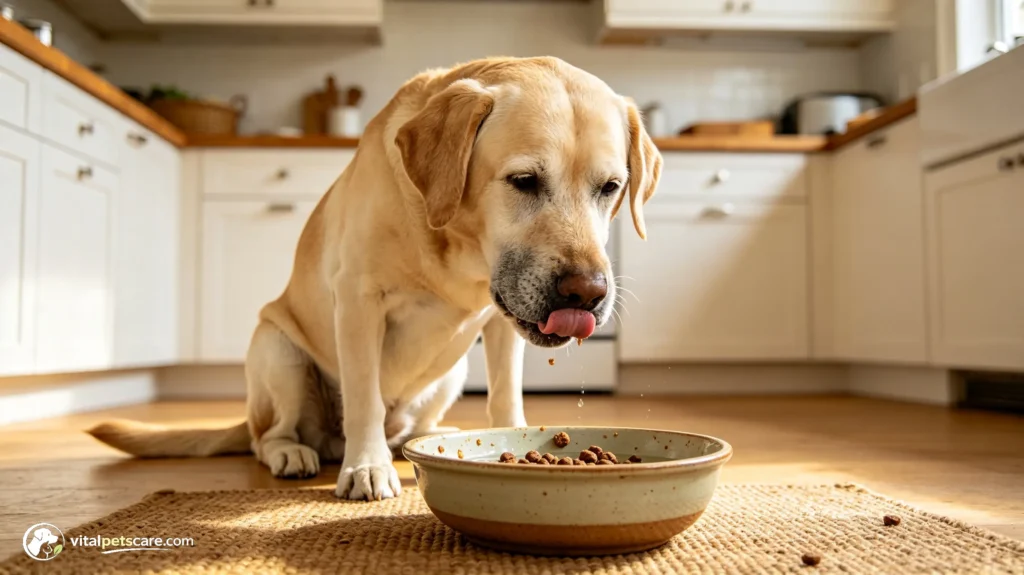
A healthy appetite means your dog’s body is functioning normally day to day. Extra sleep paired with normal eating usually points to simple aging, not illness.
Still, it’s worth keeping an eye on other signs like mobility or interest in family activities. As long as those stay steady too, this pattern is usually nothing to worry about.
Old Dog Sleeping More and Not Eating — A Different Concern
This combination is different, and it deserves more attention. An old dog sleeping more and not eating together can point to pain, illness, or an underlying condition that needs checking.
Appetite loss on its own can wait a day to see if it improves. But paired with excessive sleep, it becomes a stronger signal that something isn’t right.
If this combination lasts more than a day, don’t wait it out. This pairing is one of the clearer reasons to book a vet visit soon.
Senior Dog Restless Sleep at Night
Sleeping more during the day doesn’t always mean better sleep at night. Senior dog restless sleep at night is a common pattern, even in dogs who nap frequently during the day.
This often ties back to confusion or discomfort that becomes more noticeable once it’s quiet. If you’ve read our guide on senior dog cognitive decline signs, disrupted nighttime sleep is one of the most common early signs covered there.
Pain can also play a role, especially if your dog seems to pant or pace before settling. Our article on senior dog panting at night covers this exact overlap in more detail.
How Much Sleep Is Normal for a Senior Dog?
Most adult dogs sleep around 12-14 hours a day. Senior dogs often sleep more, typically between 16-18 hours, depending on size and breed.
Larger breeds tend to sleep more than smaller ones, even at the same age. This is a normal part of how their bodies manage energy as they get older.
According to the American Kennel Club, increased sleep is one of the most common and expected changes in aging dogs. Knowing this range helps you judge whether your dog’s sleep truly falls outside normal.
How to Support Healthy Sleep in a Senior Dog
1. Keep a Consistent Daily Routine
A predictable schedule helps regulate sleep-wake cycles. Try to keep feeding, walks, and bedtime around the same time each day.
2. Encourage Gentle Daytime Activity
Light activity during the day can help reduce excessive daytime sleeping. Even short walks or gentle play can make a difference.
3. Create a Comfortable Sleep Space
A supportive, quiet sleeping area helps improve sleep quality. This matters even more for dogs also dealing with joint pain or stiffness.
4. Address Pain or Discomfort Early
Managing pain directly often improves both sleep amount and quality. A senior dog sleeping too much due to discomfort usually improves once pain is properly managed.
5. Reduce Nighttime Confusion
Night-lights and a calm evening routine can ease restlessness linked to confusion. This is especially helpful for dogs showing early signs of cognitive decline.
When to See a Vet
If sleep changes happen suddenly, rather than gradually, it’s worth a closer look. Sudden changes are more likely to point to an underlying issue.
Watch closely if excessive sleep comes with appetite loss, weight loss, or reduced interest in family activities. These combinations suggest something beyond normal aging.
A senior dog sleeping too much alongside labored breathing or unusual weakness also needs quicker attention. These signs shouldn’t wait for a routine check-up.
When in doubt, a vet visit brings clarity. It also helps rule out treatable causes before assuming it’s simply age.
Frequently Asked Questions
Is it normal for a senior dog to sleep more than usual?
Yes, in most cases. A senior dog sleeping too much is often a natural part of aging and lower energy needs.
How many hours should a senior dog sleep per day?
Most senior dogs sleep between 16-18 hours a day. Larger breeds often sleep even more than smaller ones.
When is excessive sleep in senior dogs a concern?
It becomes a concern when paired with appetite loss, weight loss, or reduced interest in activities. These combinations suggest something beyond normal aging.
Can pain cause a senior dog to sleep more?
Yes, pain can be tiring, even when it’s mild. Dogs often sleep more simply because movement takes extra effort.
Why does my senior dog sleep all day but seem restless at night?
This is a common pattern linked to confusion or discomfort that feels worse once it’s quiet. It often overlaps with early cognitive changes.
Is it okay if my senior dog sleeps a lot but still eats normally?
Yes, this is usually reassuring. A steady appetite suggests your dog’s body is still functioning well overall.
What does it mean if my old dog sleeps more and stops eating?
This combination is more concerning and often points to pain or illness. It’s worth a vet visit if it lasts more than a day.
Can boredom cause a senior dog to sleep more?
Yes, less mental or physical stimulation can lead to extra sleep. Adding light activity during the day can sometimes help.
Does breed size affect how much a senior dog sleeps?
Yes, larger breeds generally sleep more than smaller breeds, even at the same age. This is a normal part of their energy patterns.
Can cognitive decline affect a senior dog’s sleep?
Yes, it often disrupts nighttime sleep specifically, even if daytime sleep increases. Restlessness and pacing at night are common signs.
Should I wake up my senior dog if they sleep too much?
No, waking them unnecessarily isn’t helpful. Focus on watching for other symptoms rather than the amount of sleep alone.
How can I help my senior dog sleep better at night?
A consistent routine, a comfortable bed, and reduced evening stimulation all help. Addressing pain or confusion early also improves sleep quality.

