

Noticing less muscle on your dog’s frame can be alarming. There are several common senior dog losing muscle mass causes, and most of them are easier to understand than you’d think.
Some muscle loss comes naturally with age. Other cases point to something that needs a closer look.
This guide breaks down the real causes, one by one. You’ll also learn what specific patterns mean, and when it’s time to call the vet.
What Causes Muscle Loss in Senior Dogs?
Muscle naturally shrinks with age. This process is called sarcopenia, and it happens in dogs just like it does in people.
But aging isn’t the only reason. Reduced activity, poor nutrition, and hidden health issues can all speed up muscle loss too.
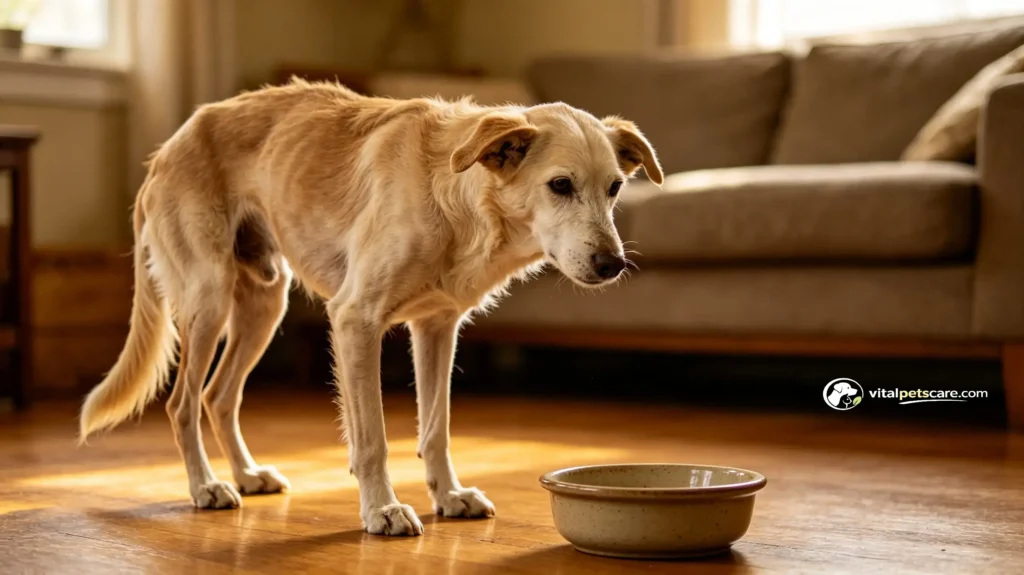
Knowing the full range of senior dog losing muscle mass causes helps you figure out what’s going on with your own dog. Let’s break down the most common ones next.
Is It Normal Aging, or Something More Serious?
Some muscle loss is expected as dogs get older. It usually happens slowly, over months or years, and spreads evenly across the body.
Muscle loss that happens fast, or only in one area, is different. This pattern often points to pain, nerve issues, or an underlying illness.
If you’re unsure which one applies, tracking the timeline helps. Slow and even usually means aging — sudden and uneven usually means it’s worth a vet visit.
Dog Losing Weight and Muscle Mass Together
Weight loss and muscle loss often happen at the same time. This combination is one of the more common senior dog losing muscle mass causes vets see.
It can point to poor nutrient absorption, reduced appetite, or an illness using up the body’s energy stores. Conditions like kidney disease or cancer can also cause this pattern.
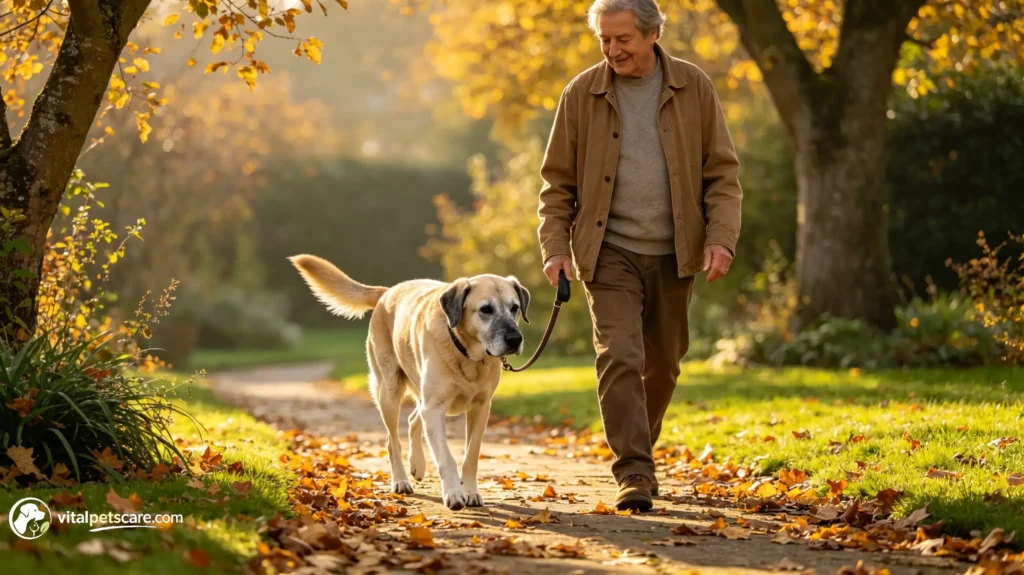
If your dog is losing weight and muscle together, don’t wait too long to check. This combination is more urgent than muscle loss alone.
Dog Losing Muscle Mass Quickly — Why Speed Matters
Muscle loss that happens over months usually points to normal aging. But dog losing muscle mass quickly — over just a few weeks — is a different story.
Fast muscle loss often signals something the body is struggling with. This can include untreated pain, hormone problems, or a more serious illness.
If you’ve noticed a sudden drop in muscle, don’t assume it’s just age. Speed is one of the clearest signals that something needs checking.
Location-Specific Muscle Loss: Back Legs, Hips, and Hind Legs
Dog Losing Muscle in Back Legs
This is one of the most common patterns owners notice first. Dog losing muscle in back legs often links to arthritis, since dogs shift weight away from painful joints.
Reduced activity from joint pain speeds this up further. The less a dog uses those muscles, the faster they shrink.
Dog Losing Muscle Mass in Hips
Hip-area muscle loss is often connected to hip dysplasia or arthritis in that joint. Large breeds are more prone to this pattern as they age.
This can also affect balance and confidence when standing. A vet check helps confirm whether joint pain is the root cause.
Old Dog Losing Muscle Mass in Hind Legs — Is It Different?
Hind leg muscle loss can sometimes point to a nerve-related condition, not just joint pain. This is especially true if it’s paired with weakness or dragging the feet.
This pattern deserves closer attention than general muscle loss. A vet can help tell the difference between joint pain and a neurological cause.
Dog Losing Muscle Control — A Different Concern
This is different from muscles simply shrinking in size. Dog losing muscle control means trouble coordinating movement, not just visible muscle loss.
Signs include wobbling, dragging a paw, or difficulty standing steady. This often points to a nerve issue rather than a muscle problem alone.
Conditions like degenerative myelopathy can cause this pattern in senior dogs. This is one combination that always deserves a vet visit, not just home monitoring.
How to Help Slow Muscle Loss in Senior Dogs
1. Keep Up Gentle, Regular Movement
Muscles need use to stay strong. Short, consistent walks help maintain muscle better than long rest periods.
2. Support Protein Intake
Adequate protein helps slow muscle loss, even in senior dogs. Talk to your vet about the right amount for your dog’s needs.
3. Manage Joint Pain Early
Treating arthritis early keeps dogs moving more comfortably. This directly helps preserve muscle in the legs and hips.
4. Consider Physical Therapy
Vet-guided physical therapy can target specific weak areas. This is especially helpful for back leg or hip-related muscle loss.
5. Monitor Weight Alongside Muscle
Tracking both weight and muscle helps spot changes early. A steady check-in makes patterns easier to catch.
When to See a Vet
If muscle loss happens quickly, don’t wait to see if it improves. Fast changes are more likely to point to an underlying issue.
Watch closely if muscle loss comes with weight loss, weakness, or trouble walking steady. These combinations are signs that need proper testing.
Loss of muscle control, like wobbling or dragging a paw, always deserves a vet visit. This is different from normal aging and shouldn’t wait.
When in doubt, an early check-up gives you answers. It’s always easier to manage a condition once you know what you’re dealing with.
Frequently Asked Questions
What are the main senior dog losing muscle mass causes?
The most common causes include natural aging, reduced activity, arthritis, poor nutrition, and underlying illness. A vet visit helps narrow down which one applies.
Is muscle loss in old dogs reversible?
Some muscle loss can improve with exercise and proper nutrition. Muscle loss from nerve damage or advanced illness is harder to reverse.
Why is my dog losing muscle in the back legs specifically?
This is often linked to arthritis or joint pain, which reduces how much a dog uses those muscles. Less use leads to faster muscle loss over time.
Can arthritis cause muscle loss in dogs?
Yes, arthritis is one of the most common causes. Pain reduces movement, and reduced movement leads to muscle shrinkage.
How fast does muscle loss happen in senior dogs?
Normal aging causes slow, gradual muscle loss over months or years. Rapid muscle loss over just weeks usually points to a different cause.
What does it mean if my dog is losing muscle and weight together?
This combination often points to poor nutrient absorption or an underlying illness. It’s more urgent than muscle loss alone and worth checking soon.
Can diet help prevent muscle loss in senior dogs?
Yes, adequate protein plays a big role in maintaining muscle. Your vet can recommend the right amount for your dog’s age and health.
What’s the difference between muscle loss and muscle control issues?
Muscle loss means muscles are shrinking in size. Muscle control issues involve coordination problems, like wobbling or dragging a paw.
Is muscle loss in the hips different from muscle loss in the back legs?
They’re often related, since both areas depend on hip and joint health. Hip-specific loss is more common in larger breeds prone to hip dysplasia.
Can physical therapy help a senior dog with muscle loss?
Yes, vet-guided physical therapy can target weak areas directly. This is especially helpful for dogs with joint-related muscle loss.
When should I be concerned about my dog’s muscle loss?
Be concerned if it happens quickly, affects one area more than others, or comes with weakness or weight loss. These patterns are worth a vet visit.
Can nerve problems cause muscle loss in senior dogs?
Yes, conditions like degenerative myelopathy affect nerves and lead to muscle loss. This often comes with weakness or difficulty walking steady.

