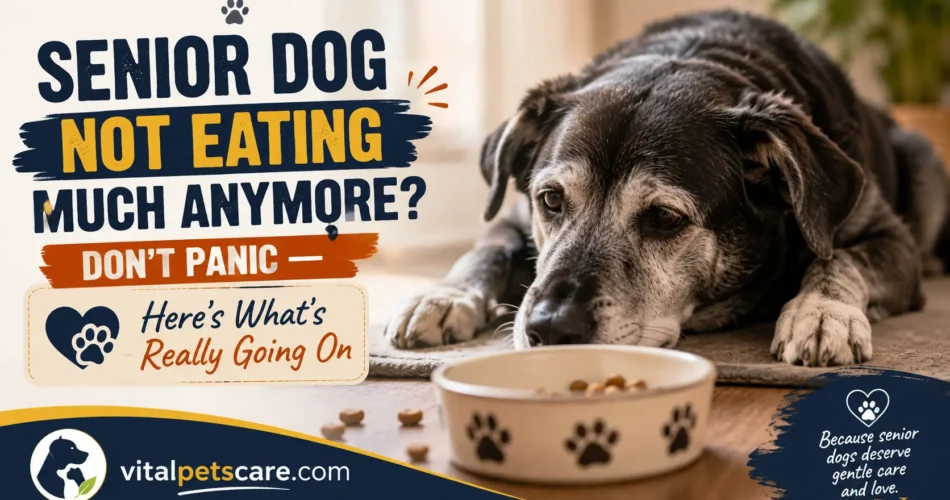
Take a breath. A senior dog not eating much anymore is scary, but it’s more common than you think.
Most of the time, there’s a clear reason behind it. Some causes are minor and easy to fix.
This guide walks you through the real reasons, one by one. You’ll also learn simple ways to help, and when it’s time to call the vet.
Why Is My Senior Dog Not Eating?
Appetite loss in older dogs usually comes down to a few things. It could be physical pain, a change in smell or taste, or an underlying health issue.
Sometimes it’s simpler — stress, a new environment, or even boredom with the same food. Knowing why is my senior dog not eating helps you respond the right way.
The next section breaks down the most common causes in detail.
8 Common Causes of Appetite Loss in Senior Dogs
1. Dental Pain or Tooth Loss
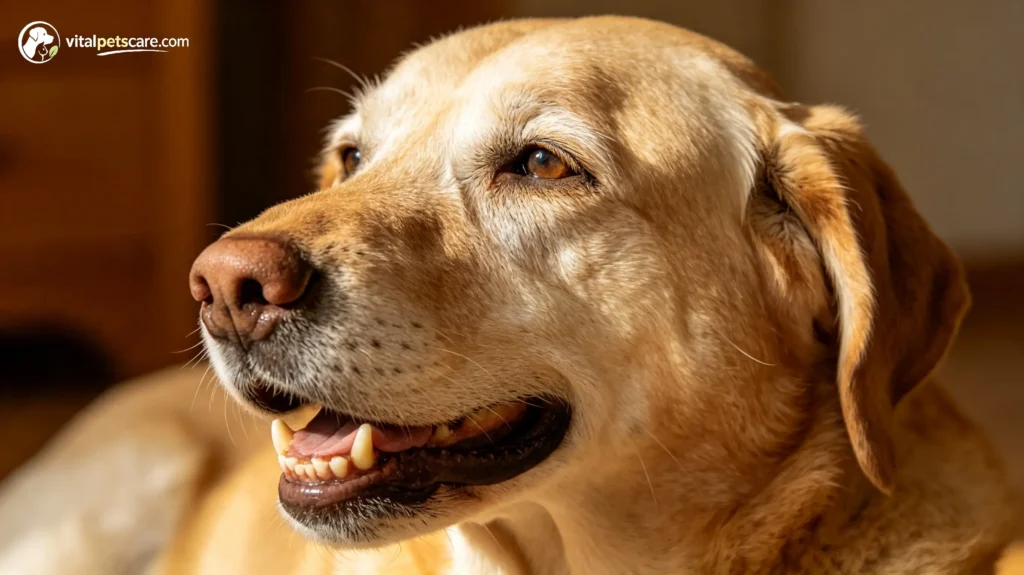
Sore teeth or gum disease make chewing painful. Your dog may avoid food just to avoid the discomfort.
This is one of the most common reasons behind a senior dog not eating much anymore. A vet check can confirm dental issues quickly.
2. Loss of Smell or Taste with Age
Just like people, dogs can lose some smell and taste as they age. Food that once excited them may now seem dull.
This often explains aging dog eating less than usual, even when nothing else seems wrong.
3. Nausea from Underlying Illness
Nausea can come from kidney disease, liver issues, or other health problems. It often shows up as skipped meals before anything else.
If appetite loss continues for more than a day or two, this is worth checking early.
4. Arthritis or Pain Making It Hard to Reach the Bowl
Bending down to eat can hurt if your dog has joint pain. This is an often-overlooked cause of reduced eating.
Raising the food bowl slightly can sometimes make a big difference.
5. Medication Side Effects
Some medications reduce appetite as a side effect. This is common with certain pain relievers or antibiotics.
If appetite loss started after a new prescription, mention it to your vet.
6. Anxiety or Stress-Related Appetite Loss
Changes at home — new pets, moving, or even loud noises — can affect eating. Stress impacts appetite in dogs just like it does in people.
This cause is often temporary and improves once things settle down.
7. Digestive Issues
An upset stomach or digestive discomfort can turn a dog off food completely. This may come with other signs like gas or soft stool.
8. Cognitive Decline Affecting Eating Habits
In some cases, dogs with cognitive decline simply forget to eat or lose interest in mealtime routines. This is more common in dogs showing other signs of confusion.
If this is combined with disorientation, it’s worth mentioning at your next vet visit.
Old Dog Not Eating But Drinking Water — What It Means
This is a very specific pattern, and it matters. An old dog not eating but drinking water often points to nausea rather than a lack of hunger.
Dogs with an upset stomach may avoid food but still feel thirsty. This is different from a dog that refuses both food and water.
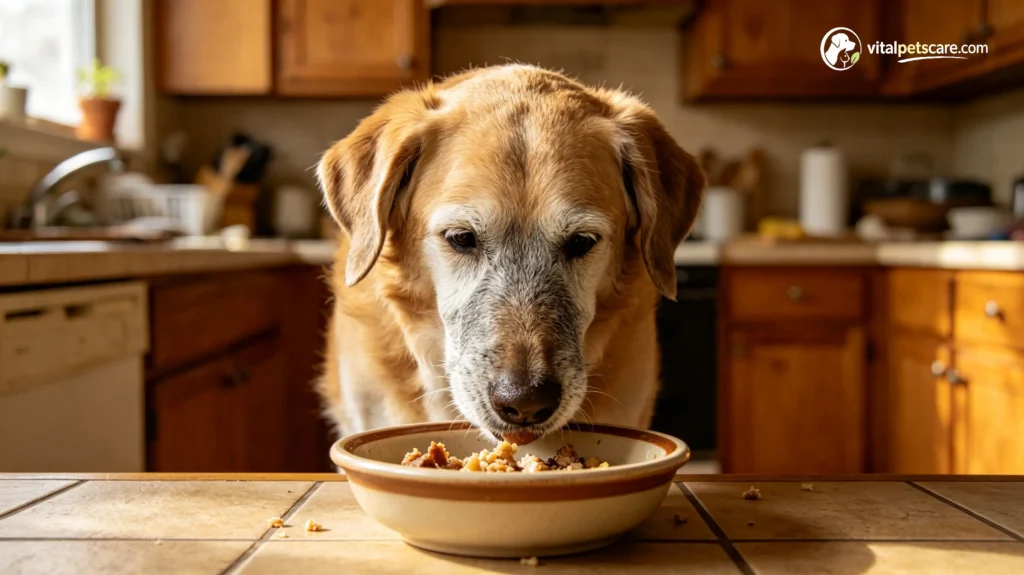
Kidney issues can also cause this exact pattern. Increased thirst paired with reduced eating is worth mentioning to your vet.
If this continues for more than a day, don’t wait it out. This combination is one of the clearer signs something needs checking.
Senior Dog Not Eating and Lethargic — Is It Serious?
Appetite loss alone can often wait a day to see if it improves. But a senior dog not eating and lethargic is a different situation.
Lethargy means low energy, no interest in normal activities, or trouble staying alert. Paired with skipped meals, this combination is more urgent.
This pattern can point to infection, organ issues, or significant pain. It’s not something to watch and wait on.
If your dog is both refusing food and unusually tired, plan a vet visit soon. Catching the cause early leads to better outcomes
How to Get a Senior Dog to Eat Again
1. Warm Up Their Food to Enhance Smell
Warming food slightly brings out its smell. This can make food more appealing to a dog with a weaker sense of smell.
Just make sure it’s warm, not hot. Test it with your hand first.
2. Try Softer or Wet Food Options
Soft food is easier to chew, especially with dental pain. Wet food also has a stronger smell, which can help tempt a picky eater.
This is a simple way to get a senior dog to eat again without much extra effort.
3. Hand-Feeding or Smaller, Frequent Meals
Some dogs respond well to hand-feeding, especially if they feel unwell. Smaller meals throughout the day can also feel less overwhelming than one big bowl.
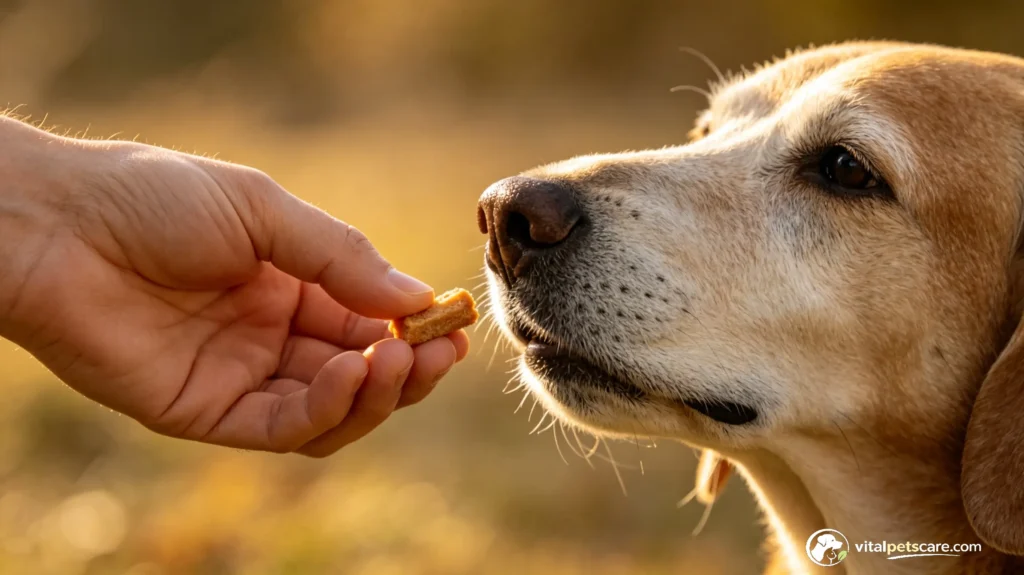
This approach works well for dogs recovering from illness or stress.
4. Reduce Stress at Mealtimes
A calm, quiet space can make a big difference. Avoid loud noises or busy areas during meals.
Keeping a consistent routine also helps dogs feel more secure while eating.
5. Ask Your Vet About Appetite Stimulants
If nothing else works, vets can prescribe appetite stimulants. These are safe, short-term options used under proper guidance.
This should always be a vet-guided decision, not a first step.
When to See a Vet
If your dog hasn’t eaten in 24-48 hours, don’t wait longer. This is especially true if nothing you try is helping.
Watch closely if appetite loss comes with vomiting, lethargy, or weight loss. These combinations often mean something more serious.
Sudden appetite loss is different from a slow decline. Sudden changes deserve faster attention.
When in doubt, a quick vet visit brings peace of mind. It’s always better to check early than wait too long.
Frequently Asked Questions
Why has my senior dog suddenly stopped eating?
Sudden appetite loss often points to pain, nausea, or illness. A vet visit helps rule out anything serious.
Is it normal for old dogs to eat less?
A gradual decrease can be normal with age. But sudden or complete refusal to eat is not.
How long can a senior dog go without eating?
Most vets say 24-48 hours is the limit before it becomes concerning. Senior dogs especially shouldn’t go longer without help.
Should I force-feed my senior dog?
No, force-feeding can cause stress or choking. Try gentle encouragement instead, and call your vet if refusal continues.
Can stress cause a senior dog to stop eating?
Yes, stress from changes at home can reduce appetite. This is usually temporary once things settle down.
Does dental disease cause appetite loss in dogs?
Yes, sore teeth or gum disease make eating painful. This is one of the most common causes in senior dogs.
What human foods can tempt a senior dog to eat?
Plain boiled chicken or a small amount of bone broth often works well. Always check that any added food is safe for dogs.
Is loss of appetite a sign of dying in dogs?
Not always, but it can be a sign in very advanced age or illness. It’s always worth a vet check to understand the real cause.
Can medication cause a dog to stop eating?
Yes, some medications list appetite loss as a side effect. Mention any new medication to your vet if eating drops afterward.
How do I know if my dog’s appetite loss is serious?
If it lasts more than a day, or comes with other symptoms like lethargy or vomiting, treat it as serious. Early vet care is always the safer choice.
Can anxiety alone cause a senior dog to stop eating?
Yes, anxiety can reduce appetite even without any physical illness. Identifying the stress trigger often helps resolve it.
Does appetite loss always mean something is wrong?
Not always — a single skipped meal can be harmless. But a pattern of reduced eating usually has an underlying cause worth checking.

